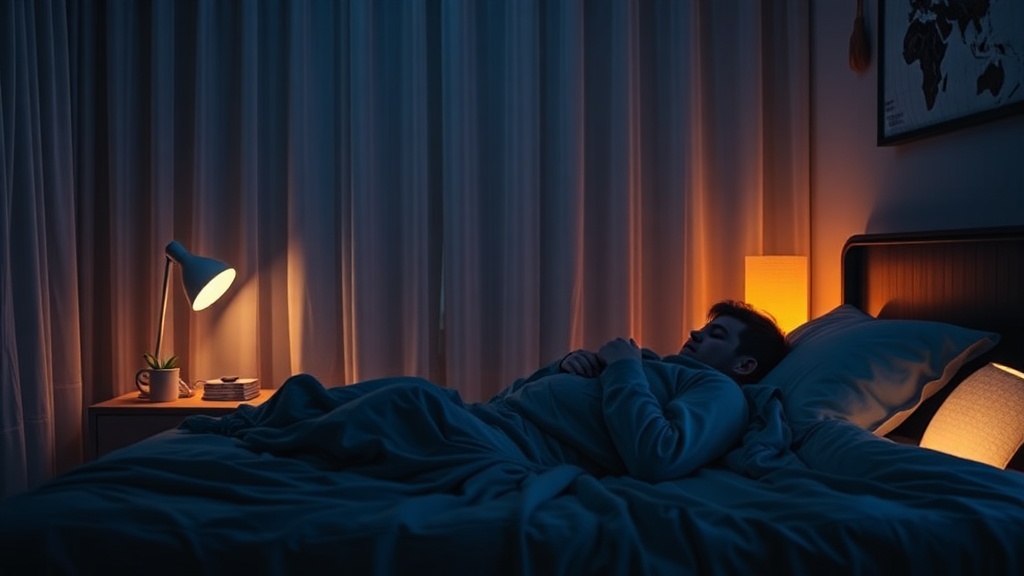
Creating a Low-Stimulation Evening for Better Rest

Most people believe that a good night's sleep starts when they hit the pillow, but that's a mistake. True rest is actually won or lost in the three hours leading up to sleep. If you spend your evening overstimulated by bright lights, rapid scrolling, and high-intensity digital input, you're essentially forcing your nervous system to run a marathon right when it should be cooling down. This guide explores how to implement a low-stimulation evening routine to protect your sleep quality and mental clarity.
What is a Low-Stimulation Evening?
A low-stimulation evening is a deliberate period of time where you reduce sensory input to allow your nervous system to transition from "alert" to "rest." It's not about being bored; it's about lowering the baseline of dopamine and cortisol levels before bed. Most of us live in a state of constant high-frequency input—notifications, bright screens, and loud environments—which keeps the brain in a state of hyper-arousal. By intentionally lowering the volume of your environment, you signal to your body that it is safe to sleep.
Think of it like a dimmer switch for your brain. You wouldn't try to drive a car at eighty miles per hour and then immediately slam on the brakes to a dead stop. You need a deceleration phase. This applies to your brain, too.
Common high-stimulus activities include:
- Scrolling through short-form video apps like TikTok or Instagram.
- Engaging in intense debates or stressful work emails.
- Watching high-octane action movies or horror films.
- Bright, overhead LED lighting.
On the flip side, low-stimulation activities involve activities that require minimal cognitive load and low light levels. This might mean reading a physical book, listening to a low-tempo podcast, or even just sitting in dim light. The goal is to move away from the "fight or flight" mode and toward the "rest and digest" state of the parasympathetic nervous system.
How Can I Reduce Blue Light Exposure?
You can reduce blue light exposure by using amber-toned lighting, wearing blue-light-blocking glasses, and setting your devices to "Night Shift" or "Night Mode" well before bed. Blue light suppresses the production of melatonin, the hormone responsible for regulating your sleep-wake cycle. According to the Sleep Foundation, even small amounts of blue light can trick your brain into thinking it's still daytime.
I've found that the transition is much easier if you use physical tools rather than just relying on willpower. If you're still using your phone in bed, you've already lost the battle. Instead, try these practical shifts:
- Swap the overhead lights: Turn off the bright ceiling lights an hour before bed and switch to floor lamps with warm-toned bulbs.
- Use a dedicated e-reader: If you must read, use a device like a Kindle which uses E-ink and has much lower light output than a tablet or phone.
- Invest in a sunrise alarm clock: This helps you wake up naturally with light rather than being jolted awake by a harsh smartphone alarm.
It's worth noting that even "night mode" on your phone isn't a perfect fix. It makes the light warmer, but the mental stimulation of the content—the dopamine hits from likes and comments—is still incredibly high. The physical light is only half the battle.
What Are the Best Low-Stimulation Activities?
The best low-stimulation activities are those that require minimal "active" thinking and involve very low sensory output. You want activities that feel heavy, slow, and quiet. If an activity makes your heart rate climb or your mind race, it's too stimulating for the evening.
I've put together a comparison of different evening activities to help you see where your current habits fall on the stimulation scale:
| Activity | Stimulation Level | Primary Effect |
|---|---|---|
| Scrolling Social Media | High | Dopamine spikes/Mental racing |
| Watching a Thriller | Medium-High | Increased heart rate/Cortisol |
| Listening to Lo-Fi Music | Low | Calming/Rhythmic |
| Gentle Stretching/Yoga | Low | Physical release/Mindfulness |
| Journaling | Medium | Cognitive processing/Unloading |
If you find yourself struggling with a racing brain at night, you might be dealing with the fallout of a chaotic morning or a high-stress day. If your morning routine is non-existent or actually working against you, it can make evening regulation much harder. You might find it helpful to look into the high cost of forcing a morning routine that doesn't fit your natural rhythm.
A great way to decompress is through "brain dumping." Grab a notebook and write down every single thing you're worried about or need to do tomorrow. Once it's on paper, your brain feels less of a need to loop those thoughts endlessly while you're trying to sleep.
How Do I Build a Consistent Evening Routine?
To build a consistent routine, you should start with one small, non-negotiable habit and layer others on top as it becomes automatic. Don't try to overhaul your entire evening in one night—that's a recipe for burnout and frustration. Start by simply turning off your bright overhead lights at 9:00 PM every night.
Consistency is more important than intensity. It's better to do five minutes of stretching every night than an hour of yoga once a week. The goal is to create a predictable signal to your brain that "the day is over."
Here is a sample 60-minute low-stimulation wind-down sequence:
- T-minus 60 Minutes: Switch to warm, dim lighting. Put the phone on a charging station in another room (or at least across the room).
- T-minus 45 Minutes: Hygiene and physical comfort. This could be a warm shower or a skincare routine. The drop in body temperature after a warm shower actually helps induce sleep.
- T-minus 30 Minutes: Low-effort engagement. Read a physical book, listen to an audiobook, or practice light stretching.
- T-minus 10 Minutes: Final breathwork. Lie in bed and focus on your breathing. Try the 4-7-8 technique—inhale for 4, hold for 7, exhale for 8.
The catch with these routines is that they often feel "boring" at first. Your brain is literally craving the hits of dopamine it gets from your phone. When you sit in a dim room with a book, your brain might protest. That's okay. That discomfort is actually the feeling of your nervous system recalibrating. Embrace the boredom—it's a sign that the routine is working.
One thing to keep in mind: your environment dictates your behavior. If your desk is covered in work papers and your phone is right next to your pillow, you're fighting an uphill battle. Create a physical boundary between your "active" space and your "rest" space. Even if you live in a studio apartment, a change in lighting or a specific scent (like a lavender essential oil diffuser) can help define the transition.
Be patient with yourself. Some nights, you'll fail. You'll find yourself staring at a screen at 11:00 PM when you promised you'd be asleep. That's fine. Just acknowledge it and try again tomorrow. The goal isn't perfection; it's a more intentional relationship with your rest.